Project
Livelihood Development and Professional Rights for the KawraPig-rearing Community
Programme Goal: To assess the socio-economic condition of the Kawra pig rearing community and build its capacity by improving livelihoods and professional rights
Sector Focus: Livelihoods and Capacity Building
Status :Completed
Duration:2008-09
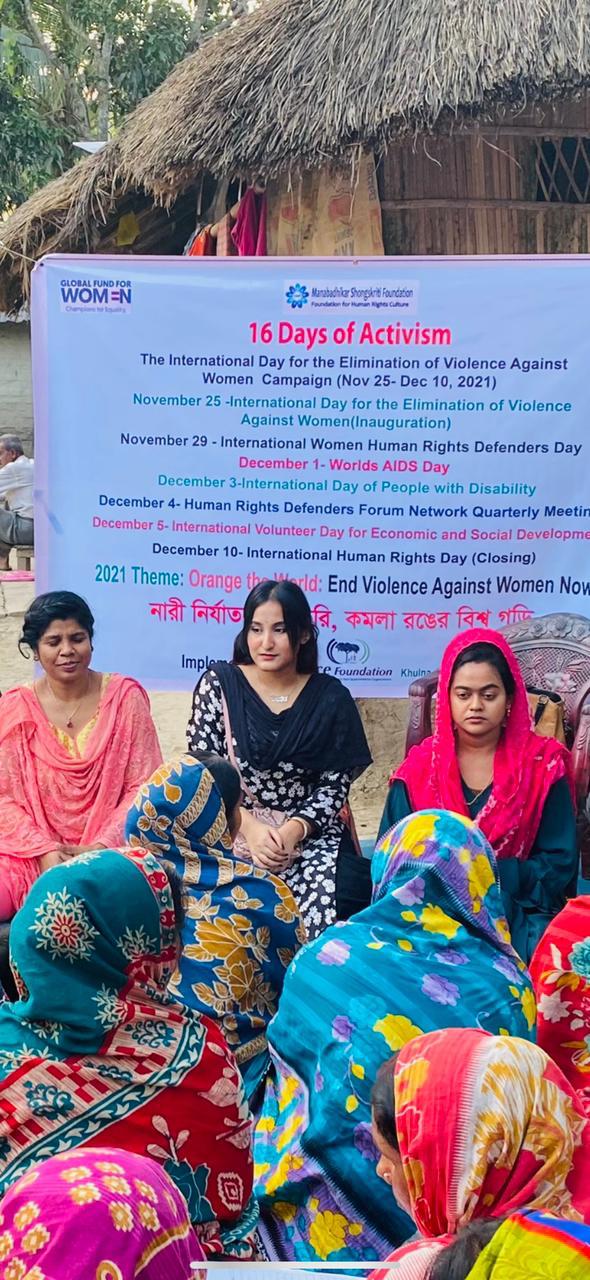
Donor : Global Fund for Women (USA)
Number of beneficiaries :9,000 (direct 3,000,indirect 6,000)
Working area : Batiaghataand Digholia (in Khulna district)
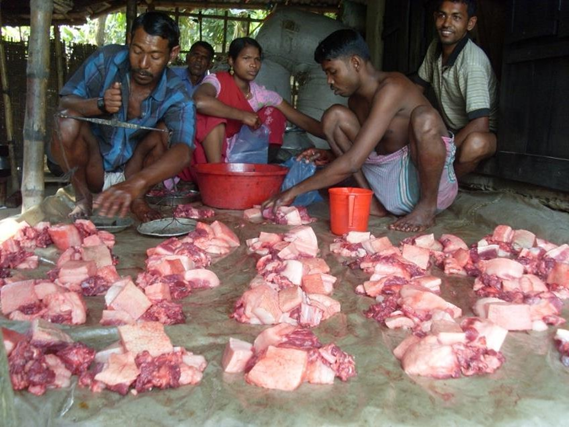
Nice Foundation and Batiaghata WMA jointly conducted a participatory action research from August 2015 to June 2016, on hygienic pig farming in Batiaghata Upazila of Khulna district. Lower caste Hindu communities and Sundarbans tribal community first started pig farming in South West Bangladesh over a thousand years ago, in a most unhygienic traditional form. Pigs are reared in roaming tribes, and their herders take them from location to location to graze for food, causing social and environmental conflicts and putting public health at risk. Furthermore, the mortality rate of grazing pigs is high and the pig herders are deprived of a fair price for pig meat.
Purpose
To improve the economic and social status of the pig-rearing community by investigating a number of aspects of hygienic pig management and rearing: pigs' reproductive performance, their mortality rates, diseases and treatment, feeding practice, and marketing. The research was to establishing a demonstration farm and household trial farms with four varieties of pigs through improved practices also improve pig rearers' income and wellbeing.
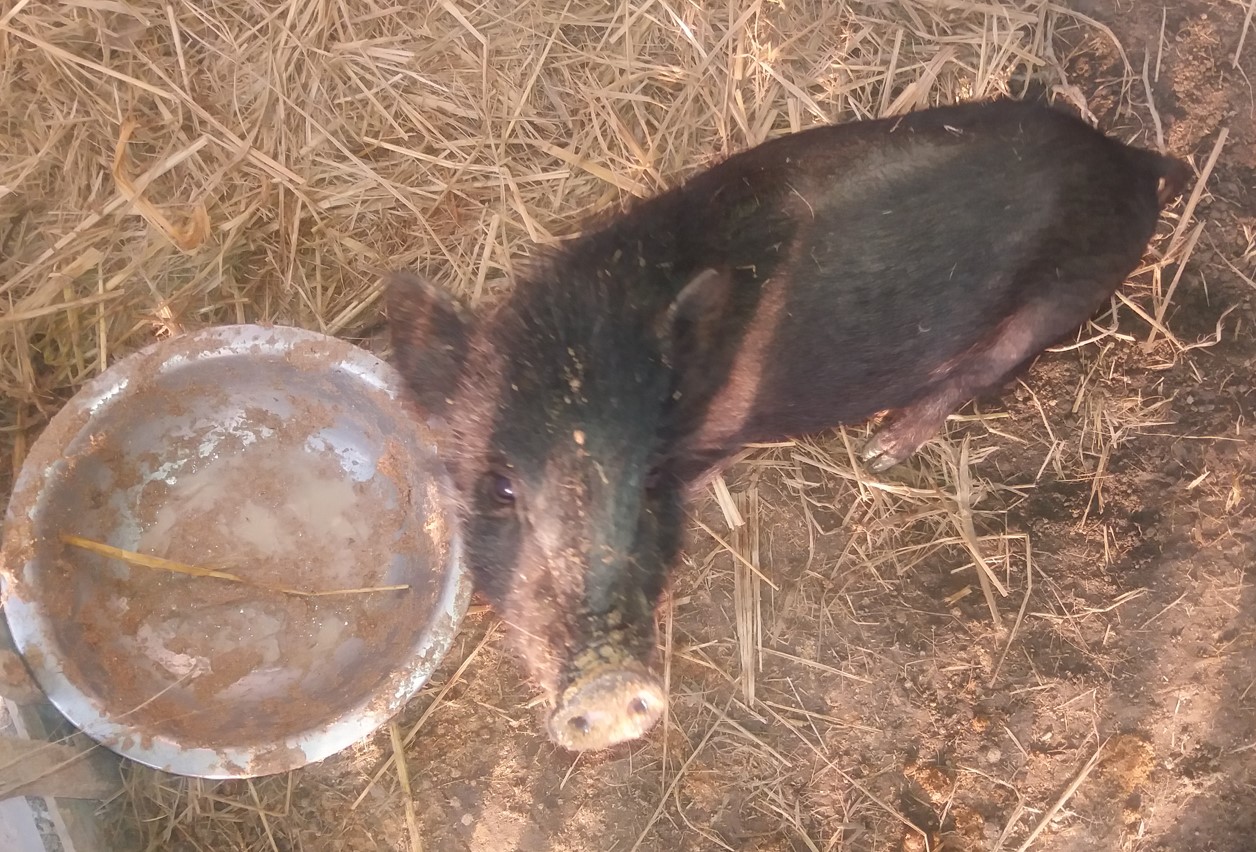
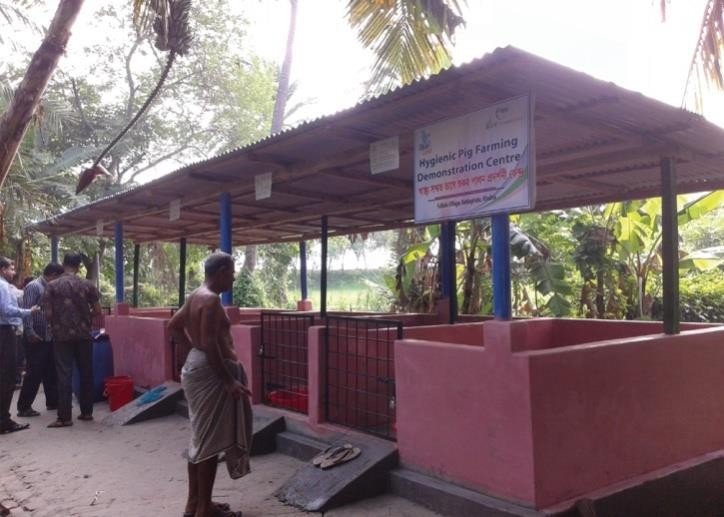
The project has trained 200 pig farmers where 90% were women on hygienic practices in pig husbandry. Market linkages have been established between service providers, farmers and traders. A pig demonstration farm was established as a learning model for pig farmers to enhanced their skill through Farmers Field School (FFS) approach . A comparative study on different pig breeds executed under this project indicated that the greatest weight growth takes place with the traditional local black breed, with greater growth in most breeds among sows than boars. Local Dolkomol and Whitish (Yorkshire) varieties preferred to be breed by feeding concentrate feed with available roughage to investigate the returns.
Activities:
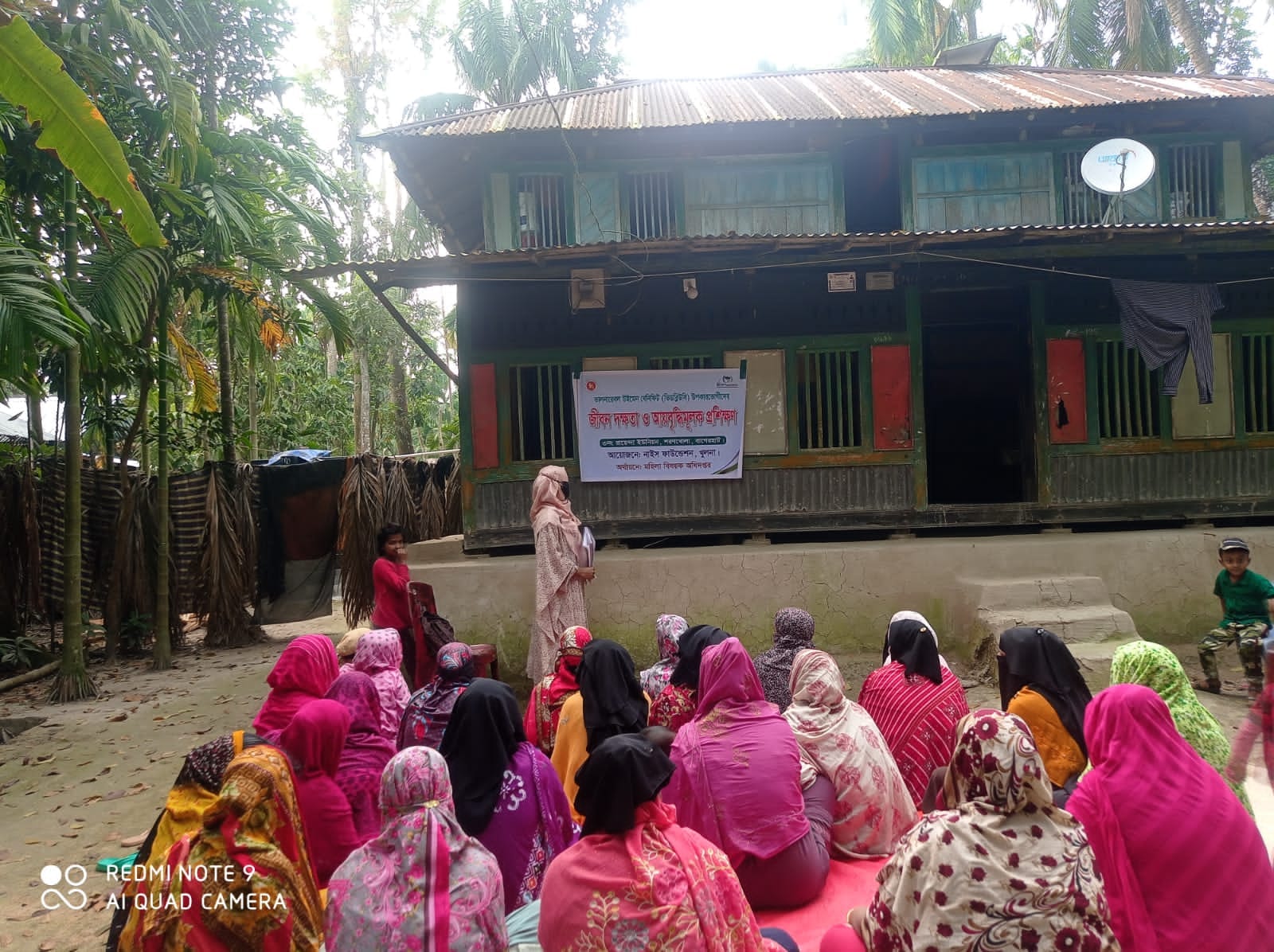
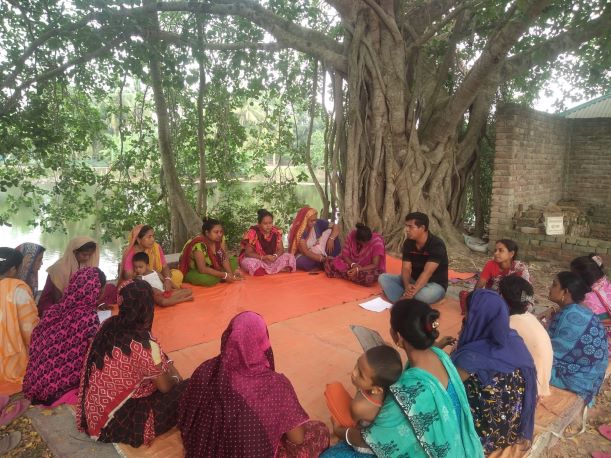
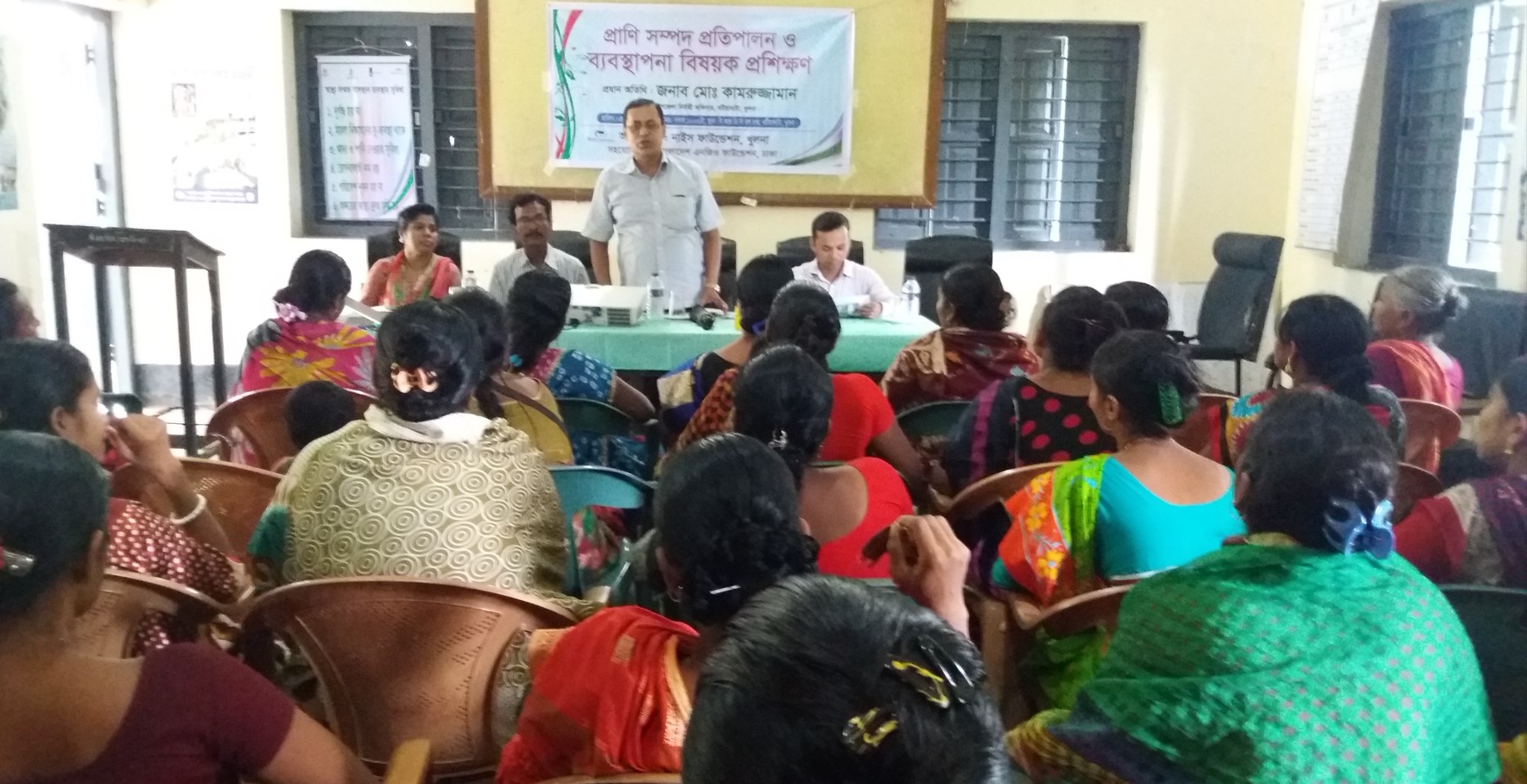
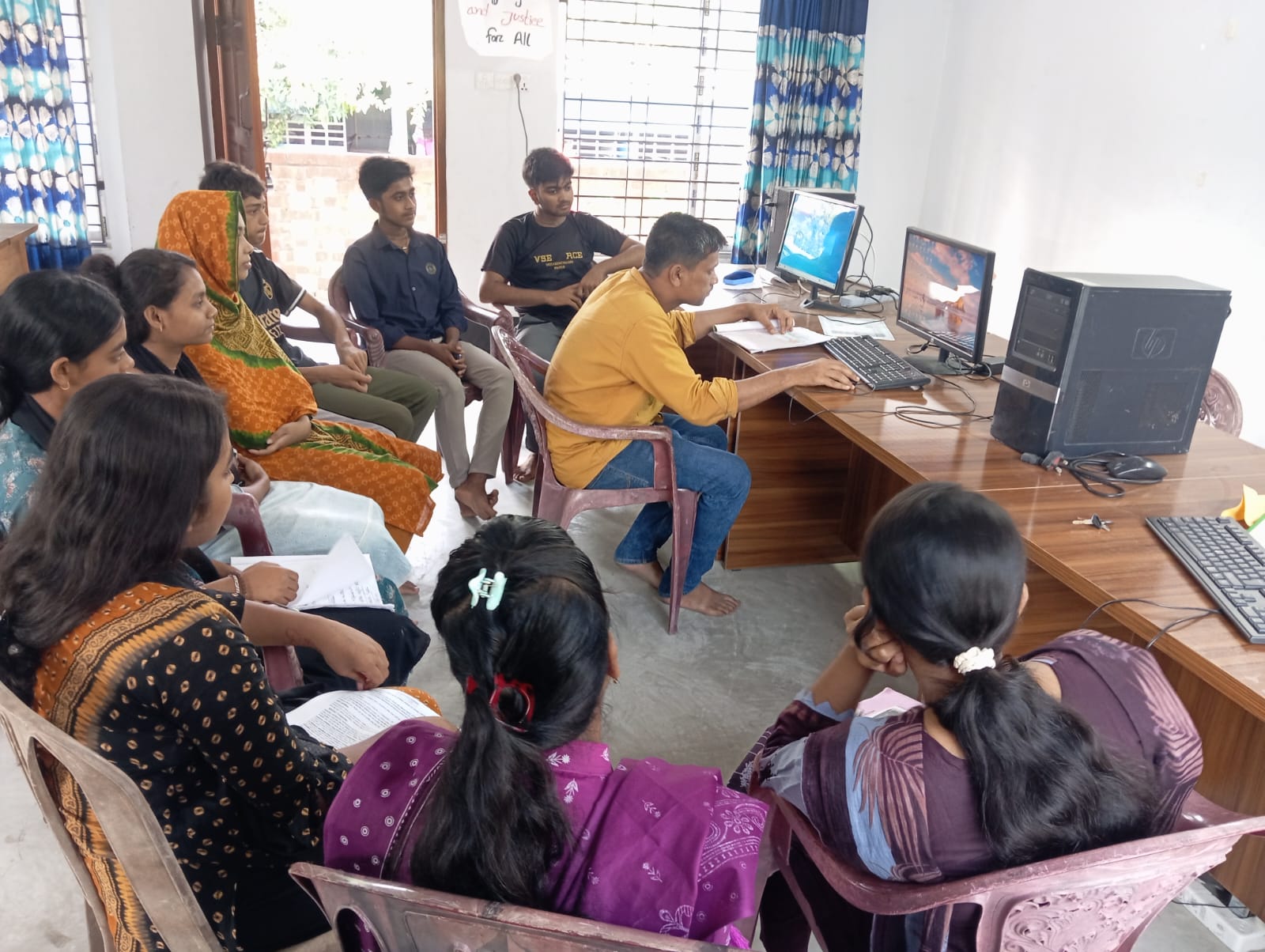
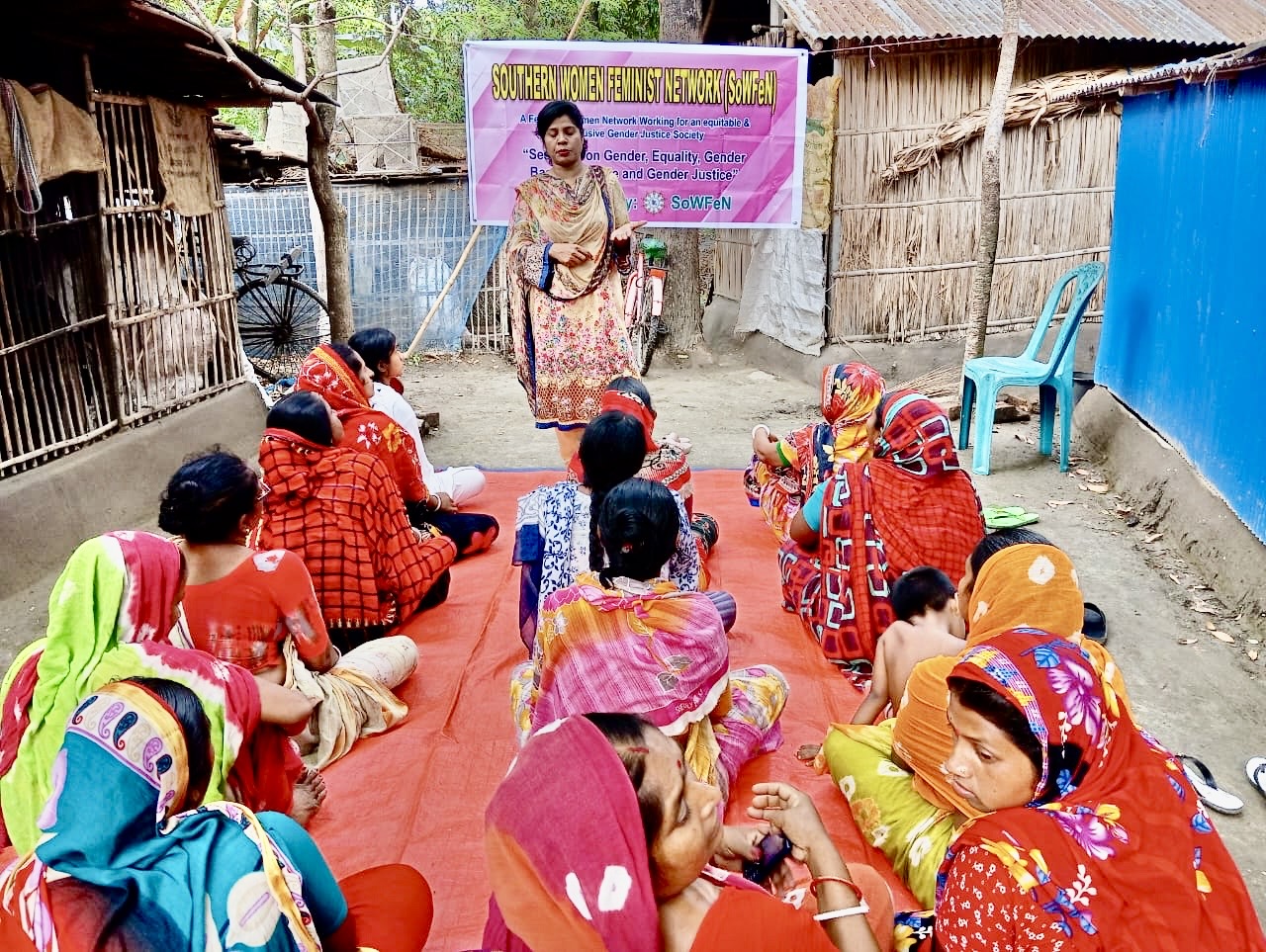
- providing training for women in the Kawra community on pig rearing and the treatment and prevention of diseases;
- providing training on marketing and sales linkages;
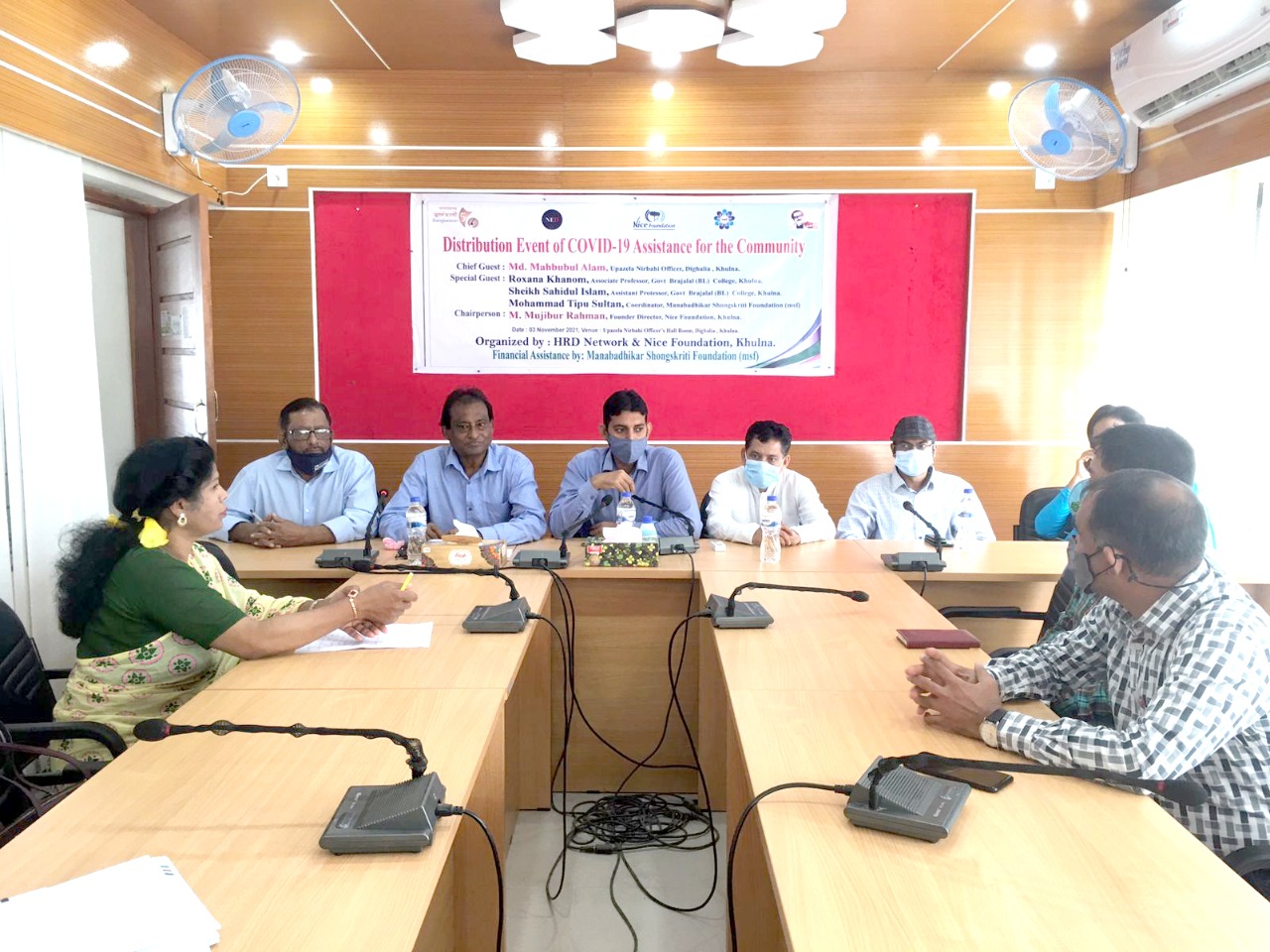
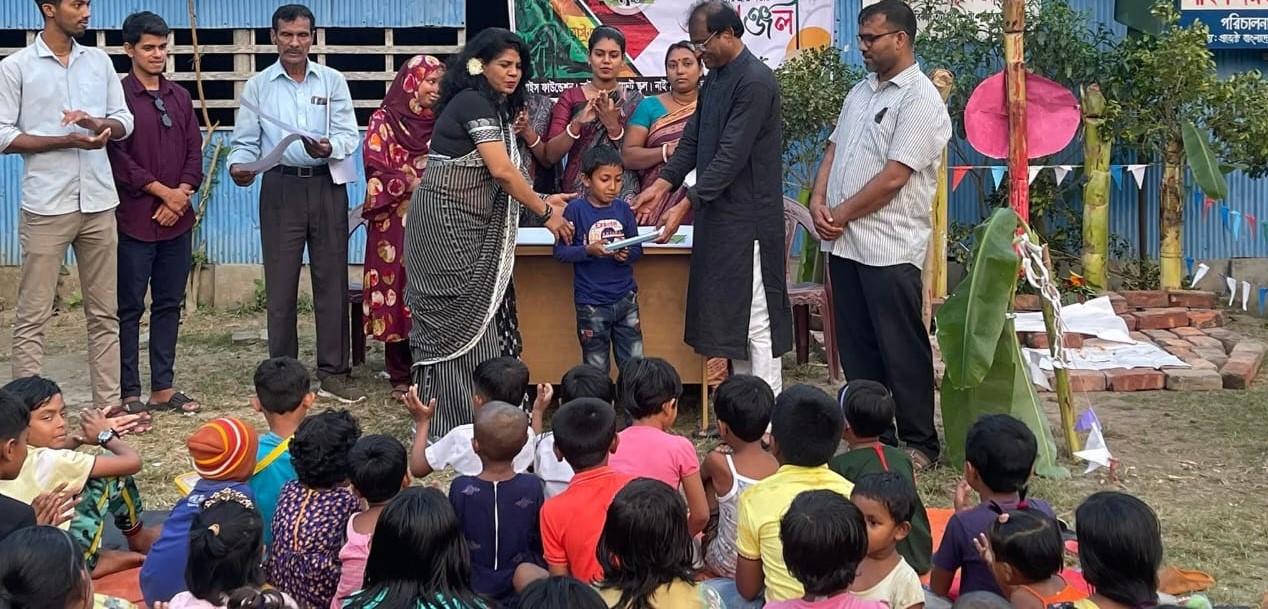
- arranging seminars for the whole range of people who are in some way affected by pig rearing, including local leaders, the Kawra community itself and their neighbours;
- establishing a demonstration pig farm illustrating good practice; and
- providing access to information on modern pig husbandry.