

Project
Anhik - Bridging AI and Access: Introducing AI-Assisted Teaching to Minority Children through Nice Foundation and Anhik
Objective: This initiative aims to assess how AI-assisted lesson planning and presentation tools can be adopted in a resource-constrained, minority-serving school setting, and to identify the factors that support or limit teacher and student uptake of AI in the classroom.
Implementation
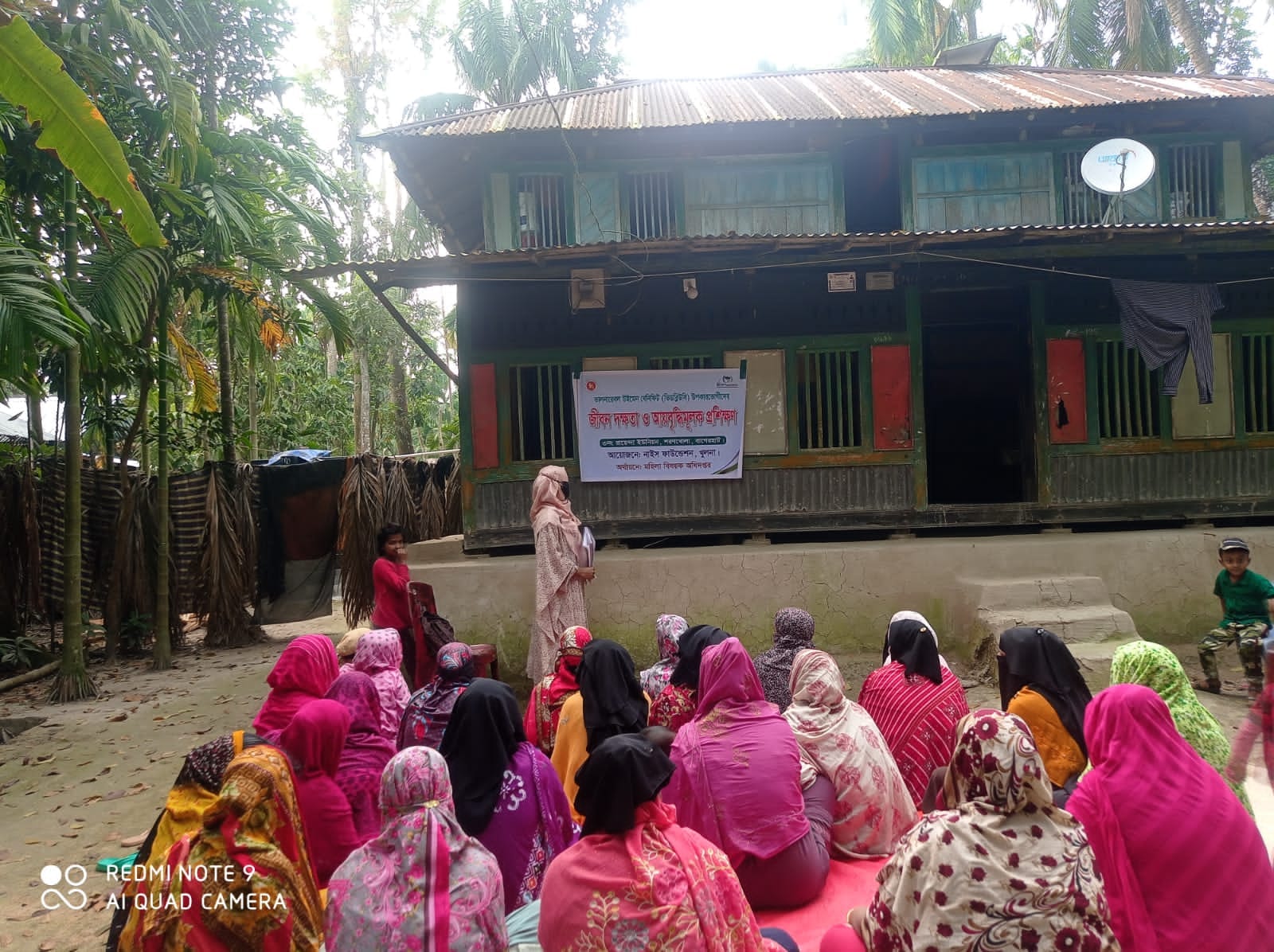
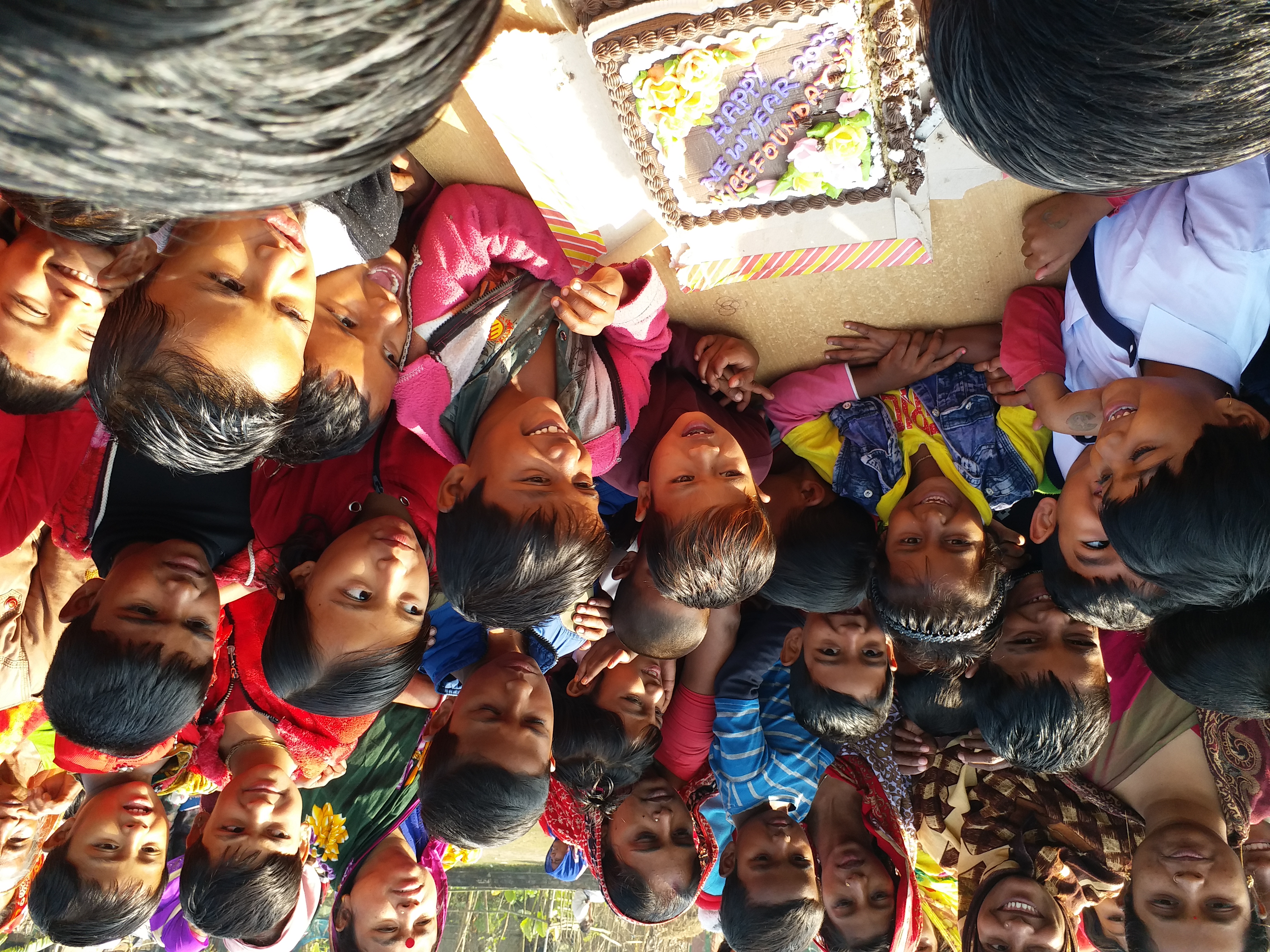
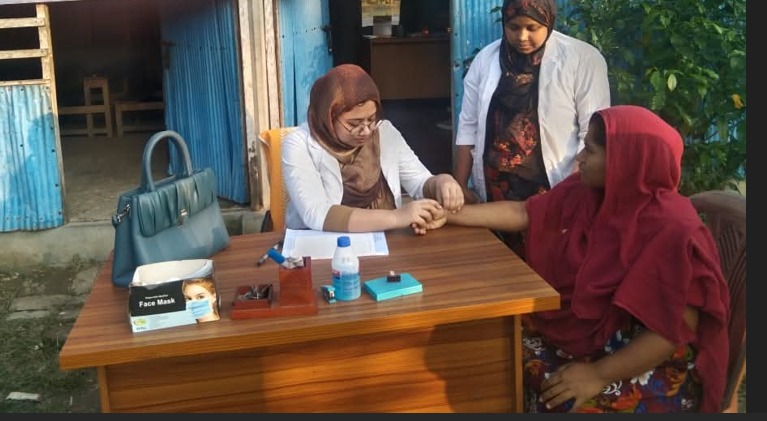
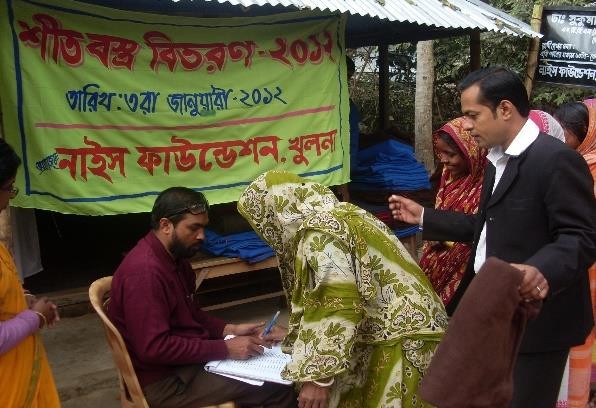
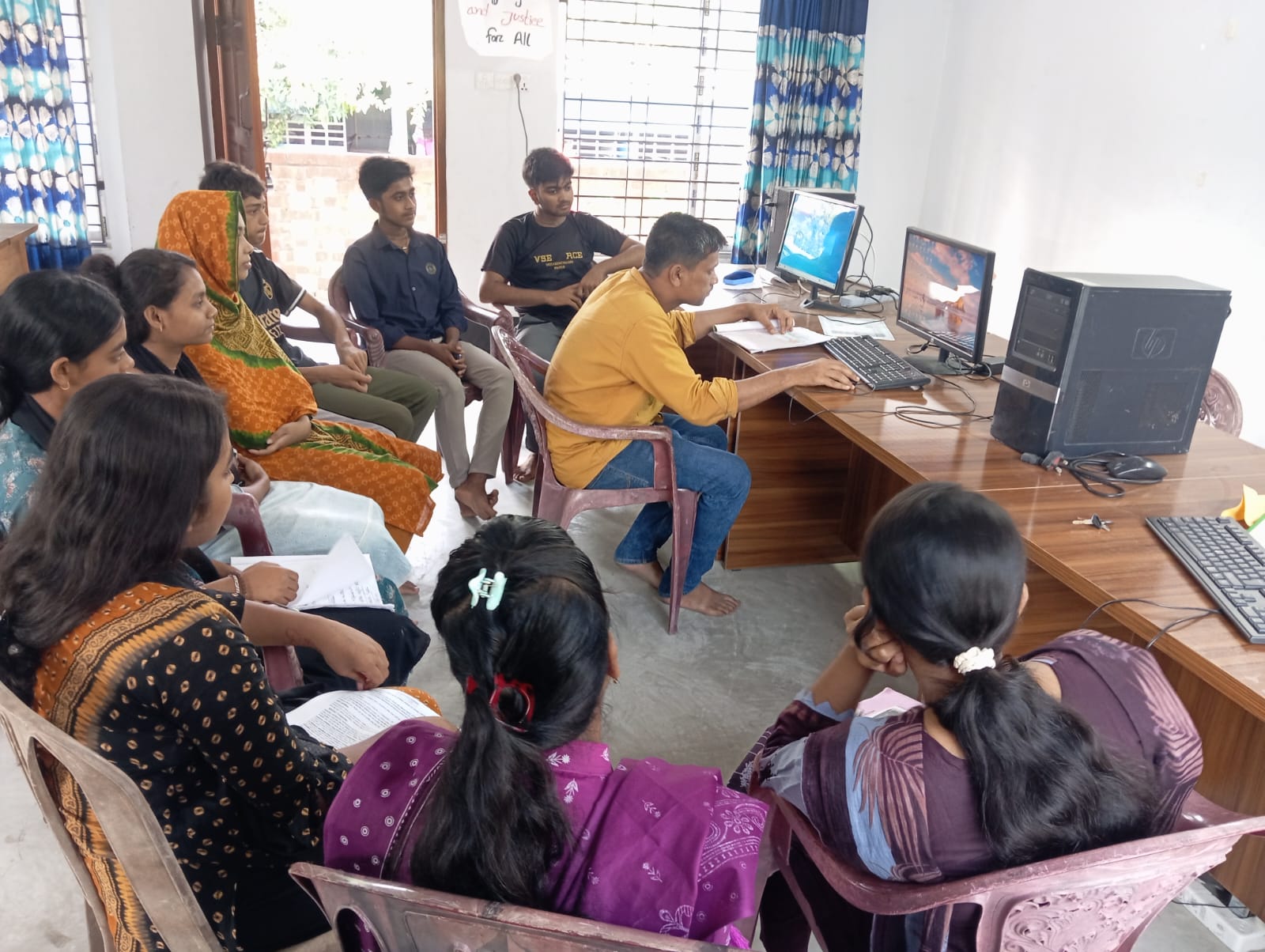
Nice Foundation is a rights-based feminist NGO working in Bangladesh since 2005, with a core focus on women, children, youth, people with disabilities, and religious and ethnic minority communities. Among its longest-running interventions is a school that has operated for 15 years, up to June 2011, enrolling an average of 200 students per year and serving roughly 3,000 minority children over its lifetime. The school sits within communities that face compounding disadvantages — limited devices, inconsistent connectivity, and teachers who are often stretched thin across subjects and grade levels — the same conditions that have historically kept well-resourced ed-tech tools out of reach for this population.
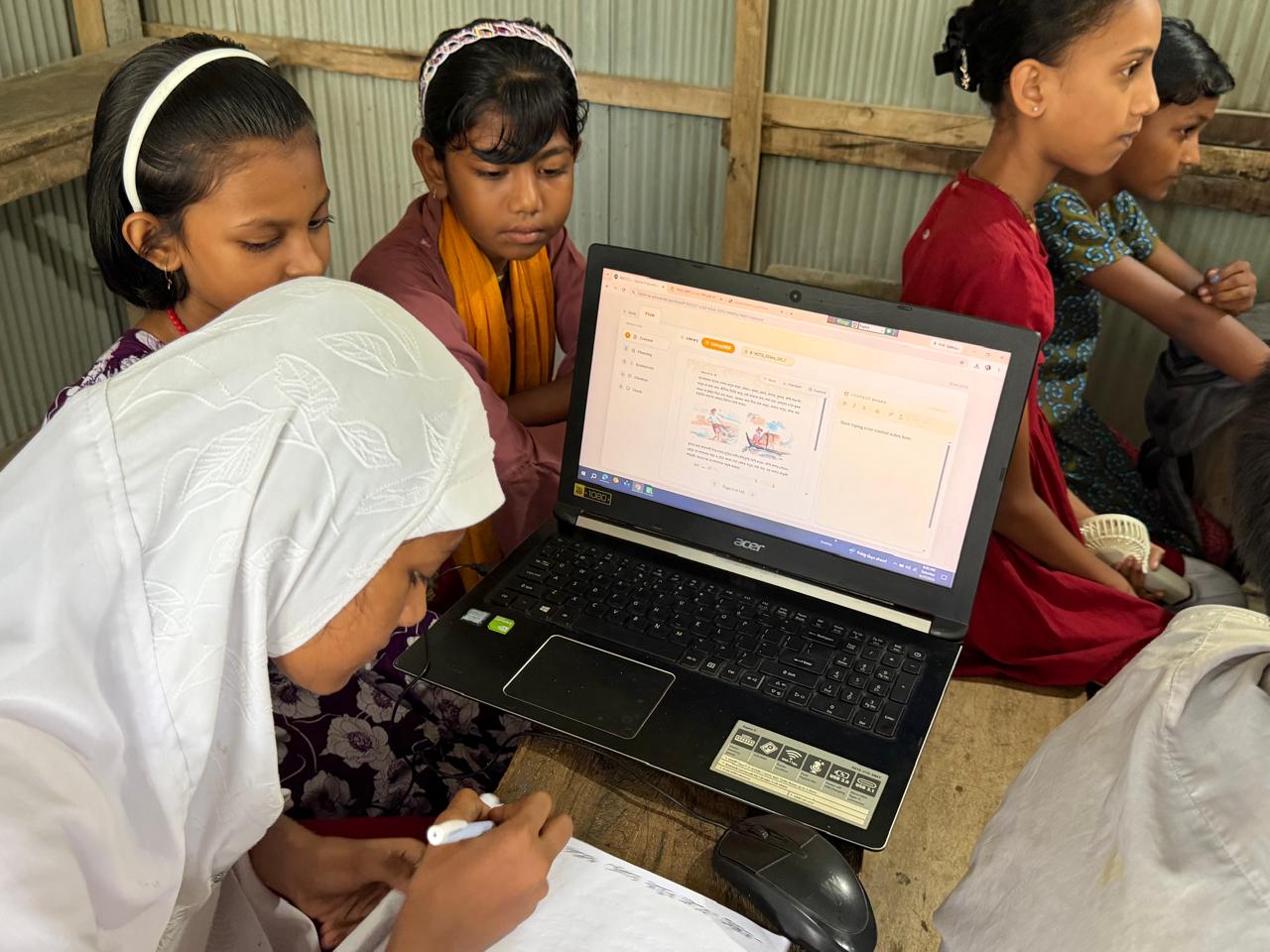
To address this gap, Nice Foundation is now piloting the integration of AI-assisted teaching through Anhik, a classroom platform co-built with Nothrim Labs that has already reached over 13,000 students across 8 districts of coastal Bangladesh. Anhik was deliberately designed against the harder version of the ed-tech problem — a single shared laptop, a tin-roofed classroom, and a teacher working with whatever materials are on hand — rather than assuming ideal infrastructure, which makes it a natural fit for Nice Foundation's minority-serving school.
The platform gives teachers a structured but flexible workflow: they upload existing material (a textbook chapter, a worksheet, a PDF), highlight the parts worth building a lesson around, and arrange those highlights on a plan canvas the way the lesson actually unfolds in their head. At the brainstorming stage, an AI co-thinker — not an autopilot — suggests connections, sharper framing, and questions students are likely to ask, which the teacher can accept, edit, or ignore. That plan is then automatically turned into a presentation-ready deck (concept maps, comparisons, pyramids), which the teacher can teach directly from in a clean, full-screen classroom view. In effect, Anhik lets teachers create classes, manage the flow of a lesson, and generate presentations without needing prior technical skill or design experience — the AI accelerates the teacher's own reasoning rather than replacing it.
For Nice Foundation's school, this pilot represents a shift from purely manual lesson delivery to a hybrid model where AI reduces preparation time and standardizes lesson quality, while keeping teachers as the primary authors of content — an important design consideration for a population where trust in unfamiliar technology, and continuity of instruction, are both fragile. Early adoption will be tracked through indicators such as teacher time-to-lesson-readiness, frequency of class creation on the platform, and qualitative feedback from both teachers and students on comprehension and engagement.
The study concludes that AI-assisted platforms like Anhik can extend quality teaching support to historically underserved and minority communities without requiring the infrastructure that most ed-tech assumes. It recommends continued monitoring of adoption patterns at Nice Foundation's school, with findings to inform whether the model can be scaled to other Nice Foundation-supported education programs and, more broadly, to other minority-serving institutions in Bangladesh.